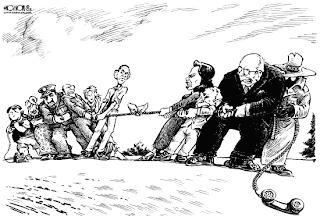
It has been a while since I posted, reasons are many I have been busy getting my house sold and finding another one, and as I mentioned previously my present project is being closed down, so I have been spending some time seeing what else is on the go, I have a couple of projects being talked about, but until they happen, I am still searching. I have had lots of offers to work for free (sweat equity) but that's not what I am looking for, been there, done that. I saw this post on teamwork, and I thought it very apt, as there does not seem like there is much of that in the UK and Scottish Governments at present. maybe they will have a read at it as well.
6 steps to team working (one approach)
There are six basic steps and two basic principles: trust and collaboration.
Step 1: Choose one goal: This might be something you introduce, or build with the team, seeding ideas to the group. It’s not essential that it’s group-driven. It is essential that it’s ambitious, exciting, and singular. Setting a goal around incrementally improving at the day job just isn’t going to cut it.
Step 2: Define Plan A: Giving a goal to a facilitated group and letting them work out ways to achieve it, without a whole load of constraints, is a fantastic way to engage them with both the project, and with each other. The term “Plan A” is deliberate. Most teams will come up with various options, and more will emerge on reflection. Calling it Plan A give you, as a group, the ability to adapt the plan as it moves, helps with consensus and reduces rejection as other alternatives are still options for the future. Stay clear on the goal; be flexible on the route.
Step 3: Define success: Start with a discussion about success, and what it would mean — try and make this at a personal level. Moving from the goal, back through the plan, it’s easy to introduce a discussion on key deliverables and major milestones without ever losing the thought “we really want to do this”. Encourage the team to discuss how they might measure progress and achieve each stage, so they can ensure success.
Step 4: Define the price: By now, the team should be sold on the project, so what’s the price? Inevitably it means stopping, or changing the way current work is delivered. This is where teams often get really creative if they want to see the project go ahead. I’ve seen teams decide to do their own time and motion studies and then radically change the way they worked, within a couple of weeks, in order to free up time to do something more exciting.
Step 5: Establish who owns what: As a shrewd observer of people, you will have already started to see who is really keen to make the project work, who is most excited about which element, who is just riding the wave, and who is already getting cold feet. Sometimes teams pick themselves there and then, other times you may need to shape the decision, but “one volunteer is worth many pressed men” could not be more true. Not everyone will be passionate about every project, but everyone on every project should be passionate about the ones they’re on. And after all, someone’s got to do the day-job.
Step 6: Do what you can to help: Your job now is to help clear their way. To encourage, support, recognise and, if necessary, help steer through some of the obstacles and challenges that lay ahead. The team have to know that you’re there, that you care, and that you can help them when they’re stuck or lost. You have to know that it’s their project now, not yours.
By Martyn Drake found on BNET


